




The 2026 World Artificial Intelligence Conference (WAIC) highlighted Physical AI as one of the industry’s central themes. Unlike digital AI systems that focus primarily on text and image processing, Physical AI is about intelligent agents that can perceive the physical world, understand gravity, friction, deformation and motion dynamics, and act reliably in real environments.
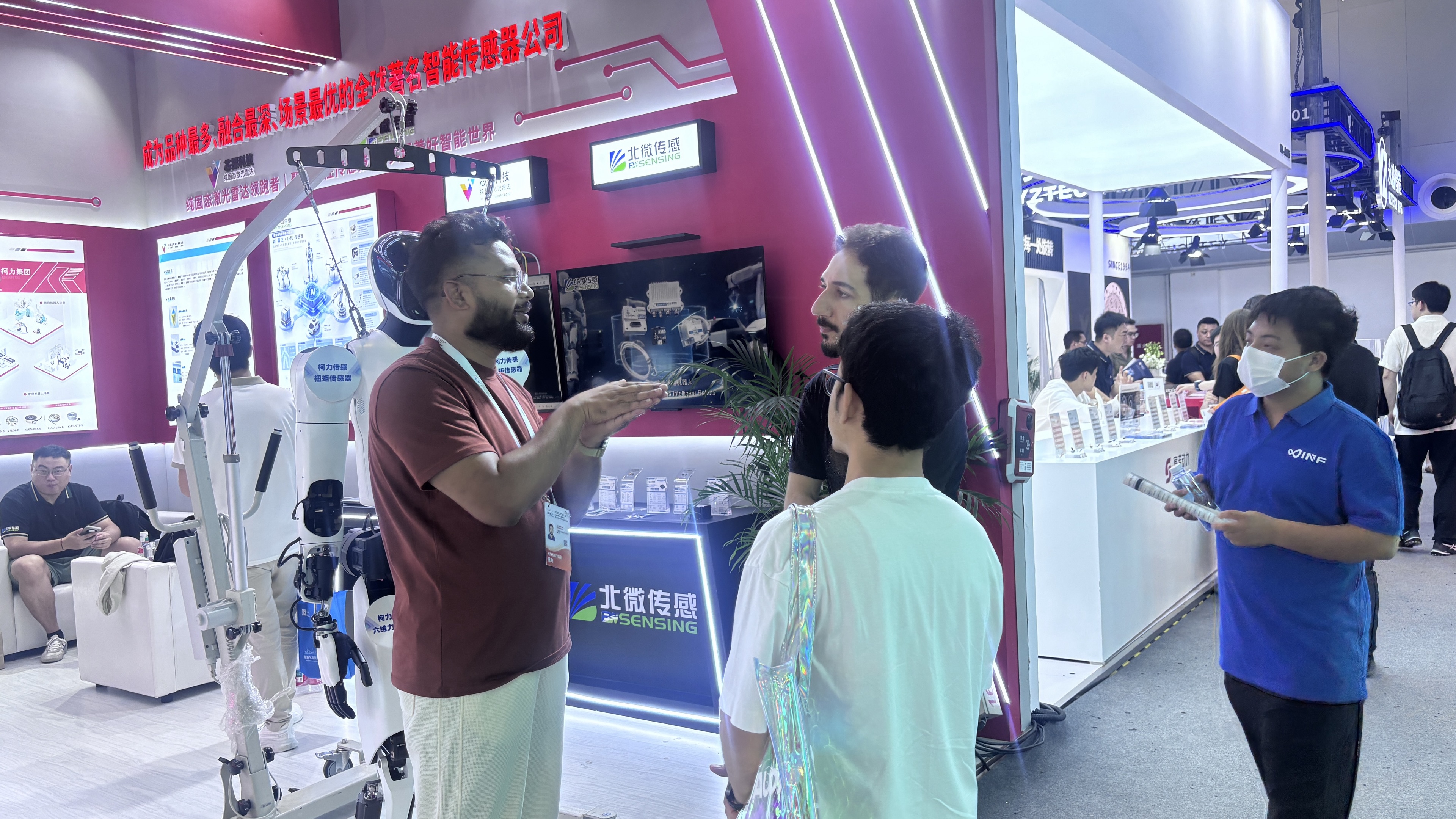
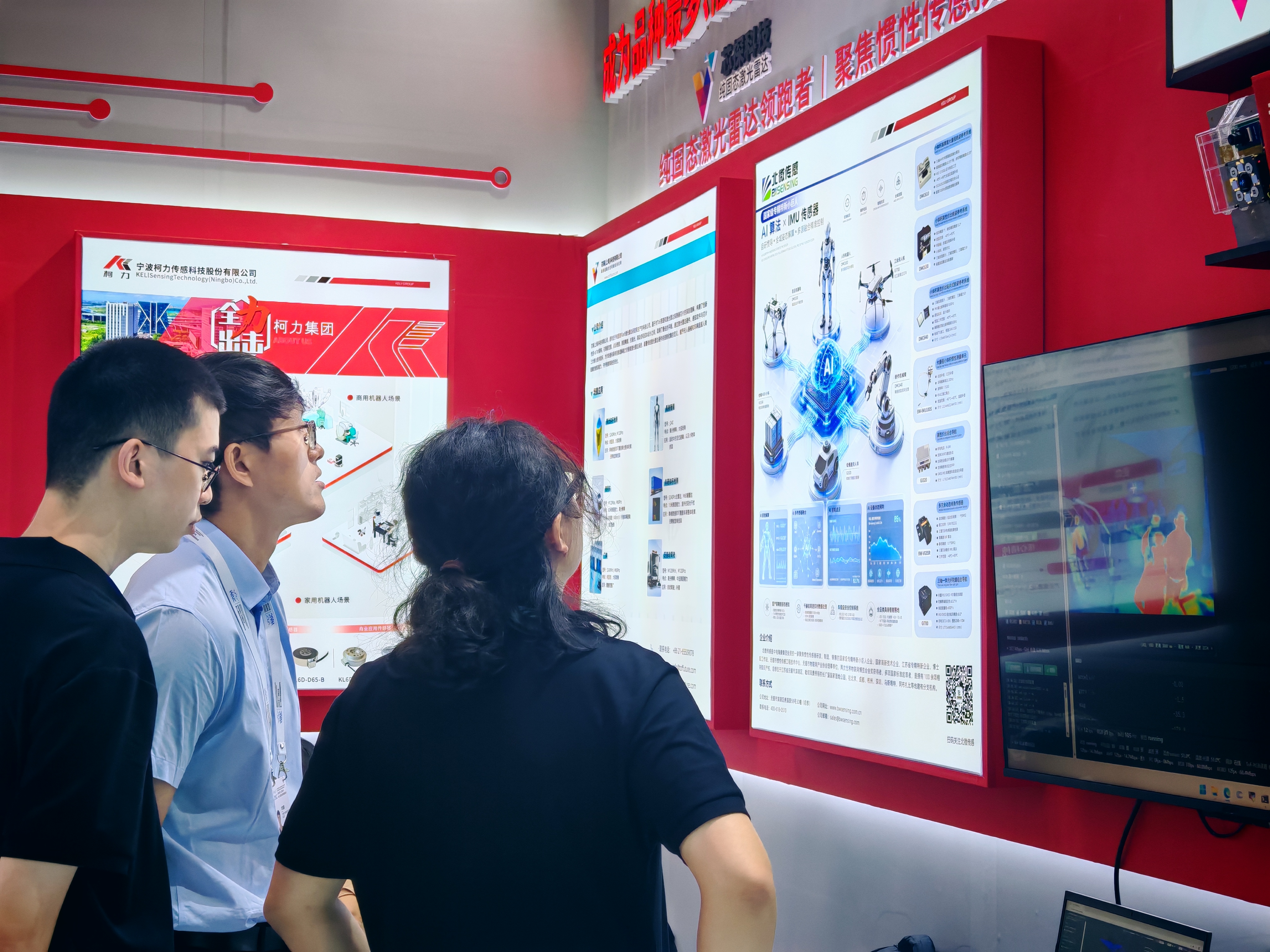
In this context, inertial sensing plays a foundational role. It provides the attitude, motion and stability data that enable intelligent machines to move, balance, manipulate objects and interact safely with their surroundings. For BWSENSING, WAIC was an opportunity to discuss how high-precision inertial technology supports the next generation of Physical AI applications.
BWSENSING presented its end-to-end inertial sensing approach for Physical AI equipment at Booth H3-A407, Shanghai World Expo Exhibition & Convention Center. The booth focused on practical integration scenarios, including humanoid robots, dexterous manipulation and intelligent equipment monitoring.
Our team discussed how inertial modules can be integrated into robot torsos, joints and fingertips to capture high-precision motion data, support stable posture control and help equipment maintain reliable performance in complex real-world conditions.
Seven Core Strengths
Independent core algorithm development
Self-developed attitude solving and sensor fusion algorithms, with continuous iteration to adapt to dynamic motion characteristics of Physical AI.
High-precision attitude perception capability
Accurate measurement of angular velocity, acceleration and attitude to support stable motion control and environmental interaction.
Dynamic error compensation technology
Integrated algorithm processing helps reduce the impact of installation deviation, vibration and temperature variation on measurement stability.
Strong adaptability for complex environments
Engineered for demanding operating conditions to deliver consistent attitude data critical for equipment safety and performance.
Flexible and modular integration architecture
Modular hardware and software interfaces make it easier to incorporate inertial sensing into different intelligent equipment platforms.
Deep industrial scenario verification
Our inertial sensing technology has been validated across multiple industries, accumulating rich experience for Physical AI deployment.
Customized full-cycle technical support
We deliver tailored sensing schemes and continuous technical support to accelerate customers’ R&D and commercial iteration.
Typical Application Cases
1. The Only State-Capitalized Embodied Intelligence Company
BWSENSING SolutionDistributed multi-point deployment of self-developed DMC630 small-size, cost-effective attitude and heading reference system on the complete machine to output multi-dimensional motion data in real time. Standardized interfaces connect to the main controller, integrating dual algorithms of balance control and SLAM positioning.
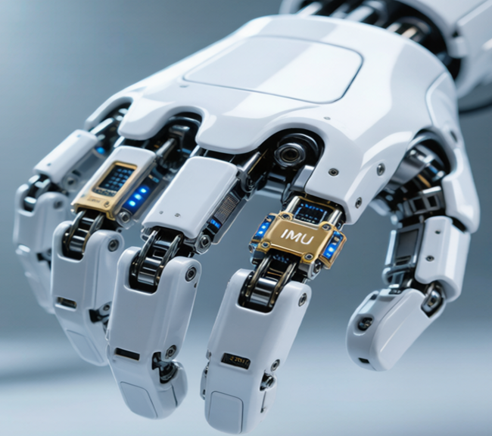
2. An Embodied Intelligence Company in Beijing
BWSENSING SolutionSelf-developed miniature patch IMUs embedded in each finger joint. Each finger independently collects angular velocity, acceleration and attitude data. Multi-node synchronous acquisition fully restores fine hand movements. Ultra-small package fits narrow internal space with no mechanical interference.
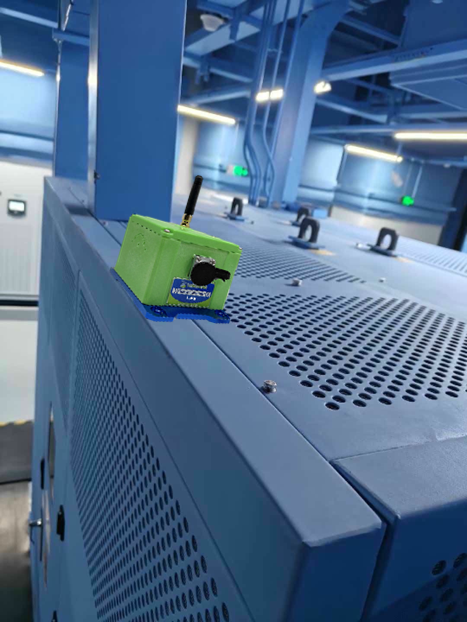
3. AI Computing Center Server Cabinet Monitoring Case
Looking Ahead
Shared:


-
STAY CONNECTED




-
8:00am-7:00 pm Service Online
WhatsApp/Tel:+86 15050 672 146
+86 17606 118 008
Commercial:sales@bwsensing.com
Customer Service:support@bwsensing.com

Copyright © 2010-2026 Wuxi BEWIS Sensing Technology LLC 苏ICP备14001101号-6 Privacy Policy Cookies

 +86 189 2129 2620
+86 176 0611 8008 sales@bwsensing.com