




LoRaWAN triaxial inclinometer LWHD-WM400 was deployed for slope stability monitoring, helping the customer detect subtle ground movement and improve risk warning in a harsh outdoor environment.
Shared:


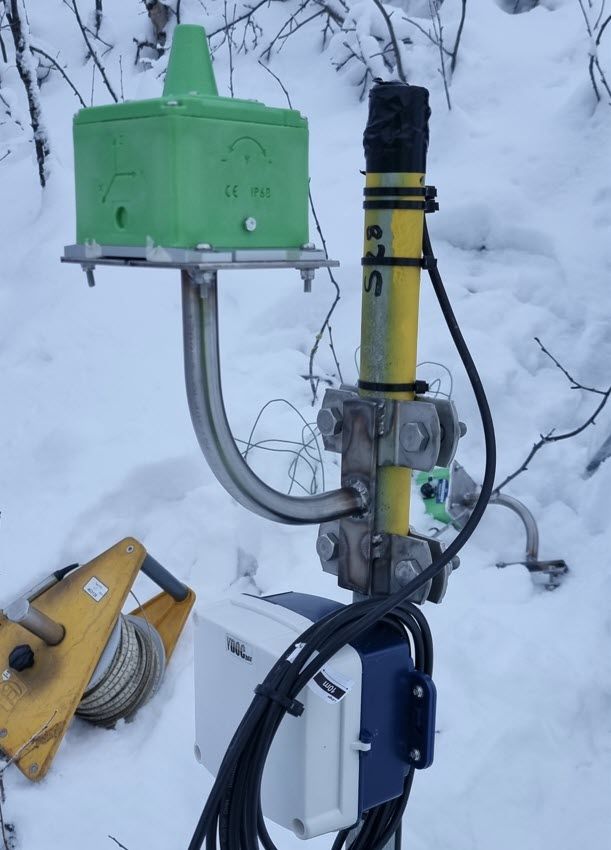
In partnership with Swedish IoT system integrator Nodeledge AB, BEWIS Sensing has supported long-term mine and structural safety monitoring projects for more than six years. In the Boliden Laisvall mine project, our LoRaWAN triaxial inclinometer LWHD-WM400 was deployed for slope stability monitoring, helping the customer detect subtle ground movement and improve risk warning in a harsh outdoor environment.
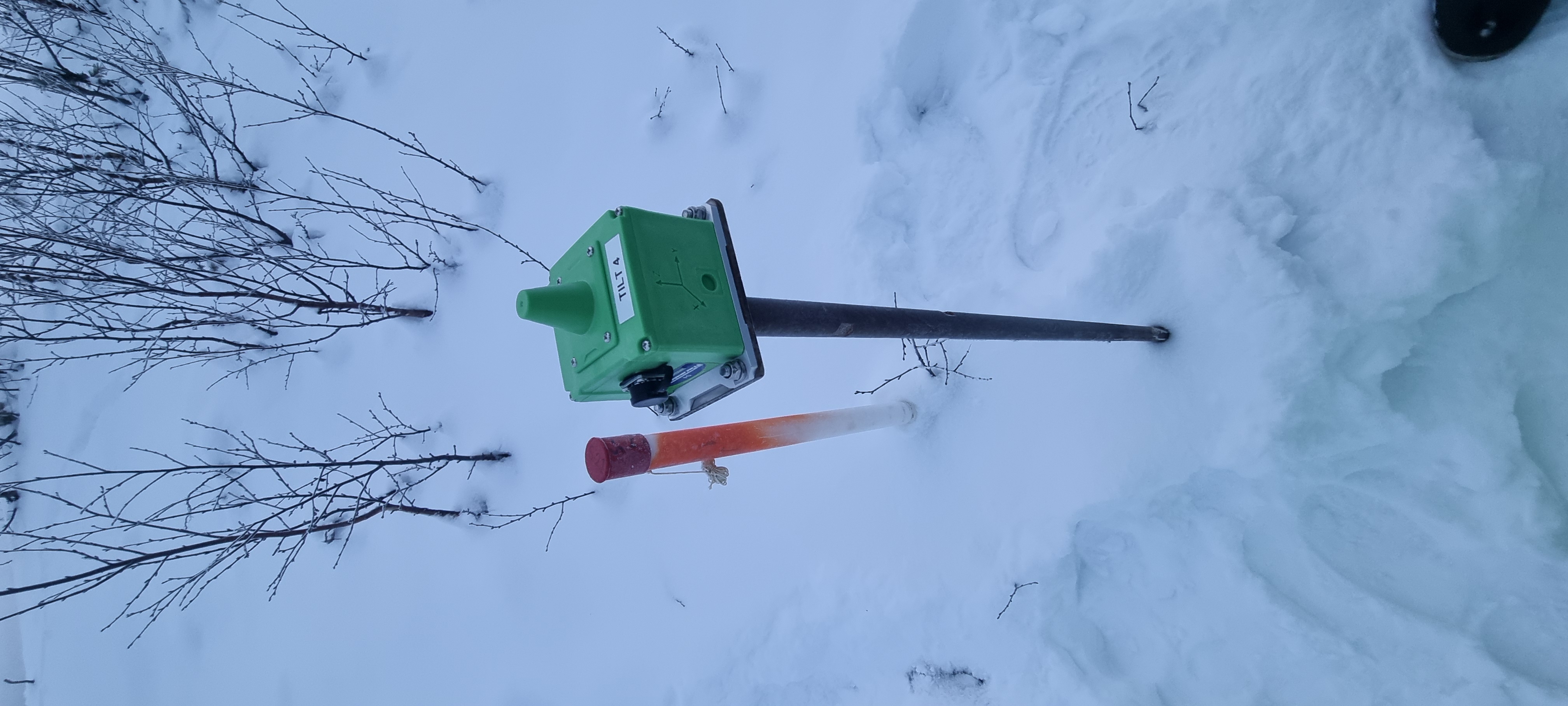
 LWHD-WM400 installed on site for slope movement monitoring in Sweden.
Project Background
Slope safety monitoring is a critical part of mine operation, especially in northern regions where snow, low temperature, groundwater change, and seasonal freeze-thaw cycles may increase the risk of deformation. In many cases, slope movement begins with very small angle changes that are difficult to observe visually, but these subtle changes are often the earliest warning signs of instability.
At the Boliden Laisvall mine in Sweden, Nodeledge AB built a remote monitoring system to track slope behavior in real time. The project required a sensor that could provide precise and stable tilt data over a long period, while also performing reliably in remote, snow-covered field conditions where maintenance is difficult and data continuity is essential.
For this reason, the BEWIS LWHD-WM400 LoRaWAN wireless triaxial inclinometer was selected as a key sensing device in the monitoring system. Its high accuracy, low power consumption, and rugged design made it well suited for continuous mine slope monitoring in demanding outdoor environments.
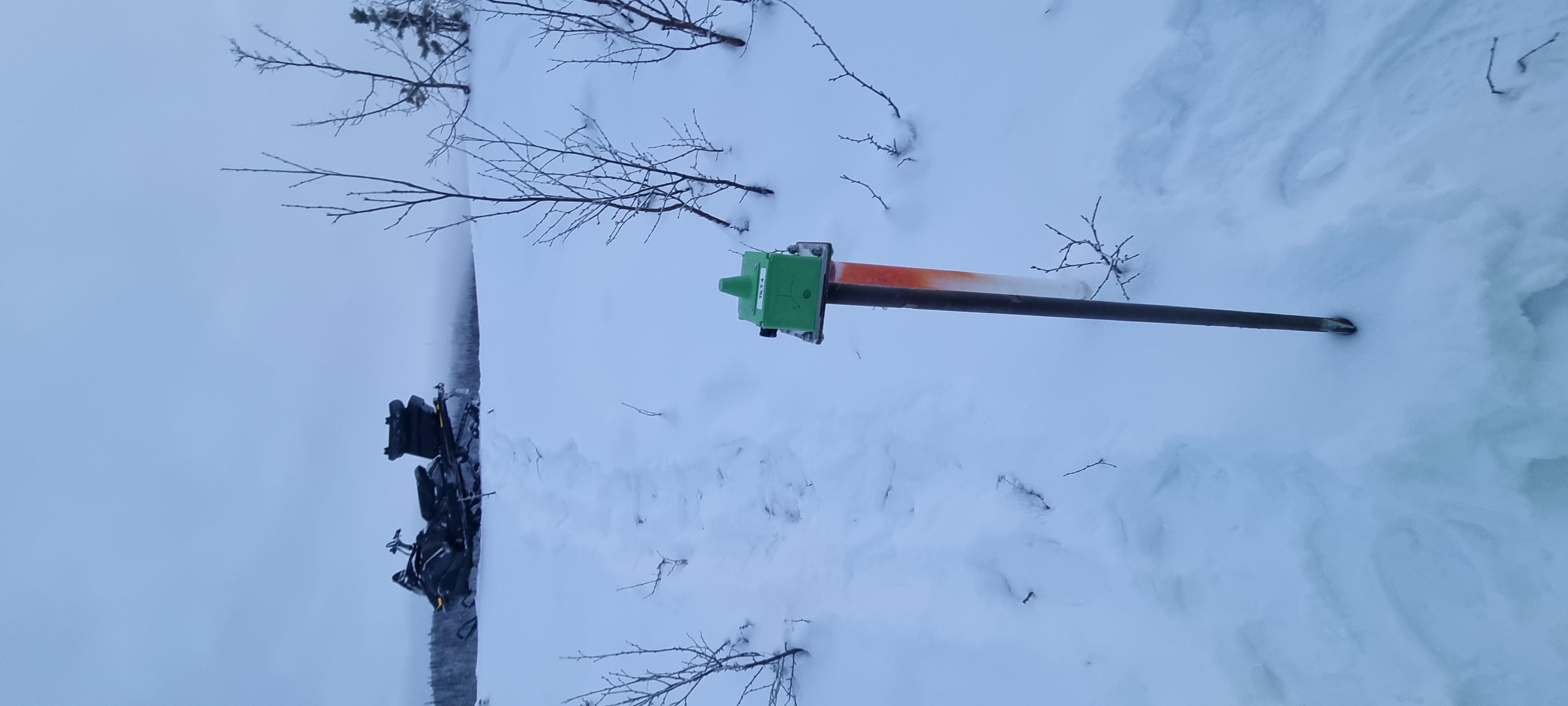
Remote monitoring site under harsh Nordic winter conditions.
Industry Pain Points
In slope stability monitoring, one of the biggest challenges is that early deformation is often extremely small. If the sensor resolution or long-term stability is not sufficient, important warning signals may be missed. In addition, mining sites and infrastructure projects are usually spread across wide areas, making wired deployment expensive and time-consuming.
Another common difficulty is environmental reliability. Outdoor monitoring devices must operate through snow, moisture, low temperature, and long unattended periods. For safety-critical applications, it is not enough for a sensor to work only in ideal conditions; it must continue delivering dependable data in real field environments.
Customers also need data continuity. If the communication signal is unstable or field access is limited, locally stored historical data becomes extremely important. For engineers and operators, long-term stable trend data is often more valuable than isolated measurements because it supports threshold alarms, trend analysis, and operational decision-making.
Why LWHD-WM400 Was a Good Fit
The LWHD-WM400 was designed for structural health monitoring applications such as slope monitoring, tunnel monitoring, dam monitoring, tower tilt monitoring, and other long-term infrastructure safety projects. In this Swedish case, the product’s most important advantage was its ability to combine high precision with long-term outdoor reliability.
According to the product manual, the LWHD-WM400 offers up to 0.005° accuracy and 0.001° resolution, with X-Y-Z triaxial measurement over a ±60° range. For slope monitoring, this is especially important because even a very small angular variation can indicate the start of deformation. High-resolution tilt data helps engineers distinguish temporary disturbance from meaningful structural movement and gives them a more reliable basis for early warning.
The sensor also supports LoRa wireless communication, which simplifies field deployment and reduces the need for complex wiring. In ideal conditions, communication distance can reach up to 15 km. For remote applications, its ultra-low power design is another major advantage. The product manual states that the device can operate for up to 10 years under laboratory conditions with hourly data transmission, while standby current is lower than 4 μA.
For field reliability, the LWHD-WM400 is built for harsh environments, with a working temperature range of -40°C to +85°C and an IP68 protection level. The built-in EEPROM can automatically save time-stamped data when signal quality is poor and store up to 60,000 sets of data. This helps preserve monitoring continuity even in remote areas where communication conditions may fluctuate.
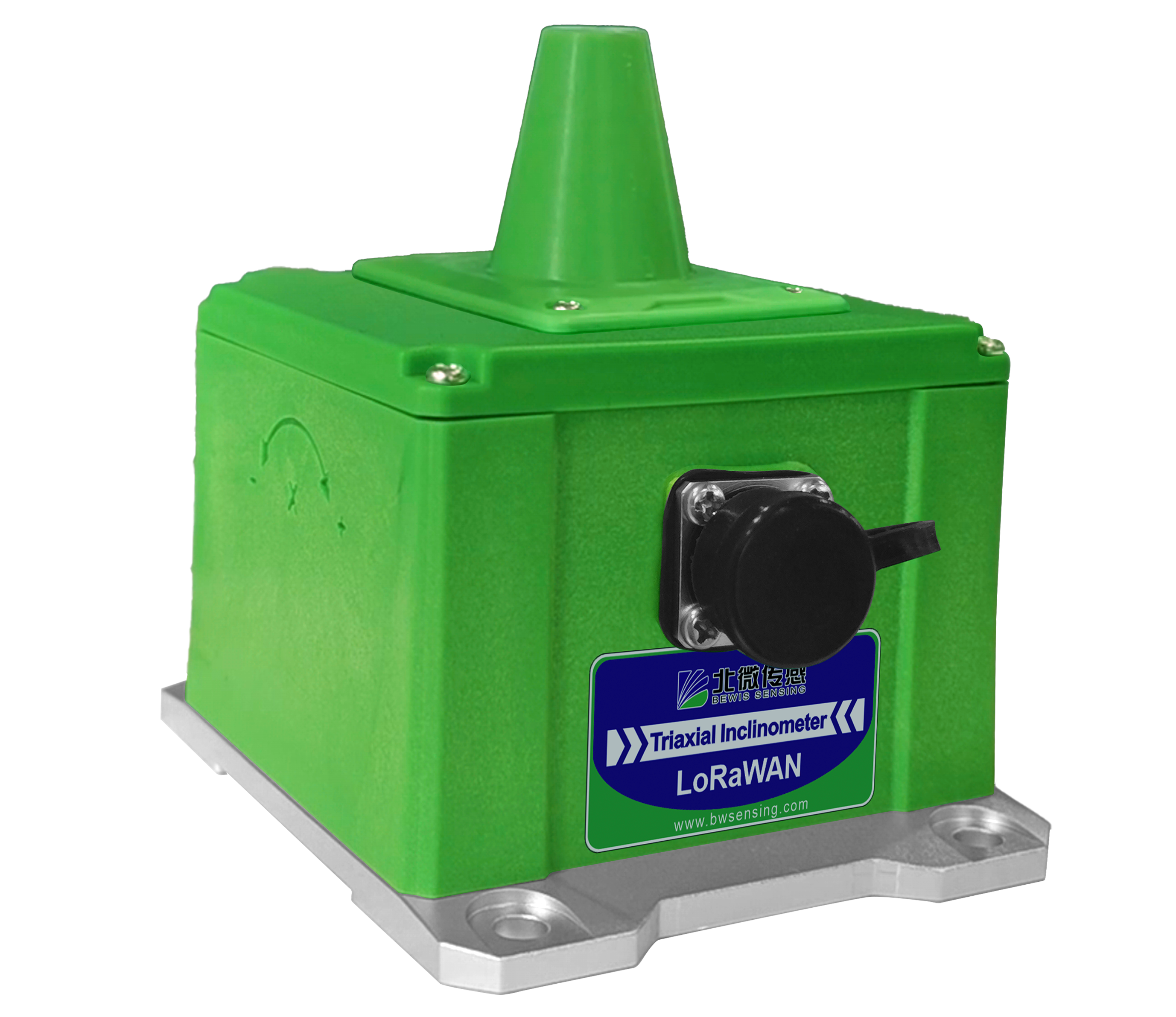
High-precision triaxial inclinometer installed for continuous outdoor monitoring.
How the System Worked
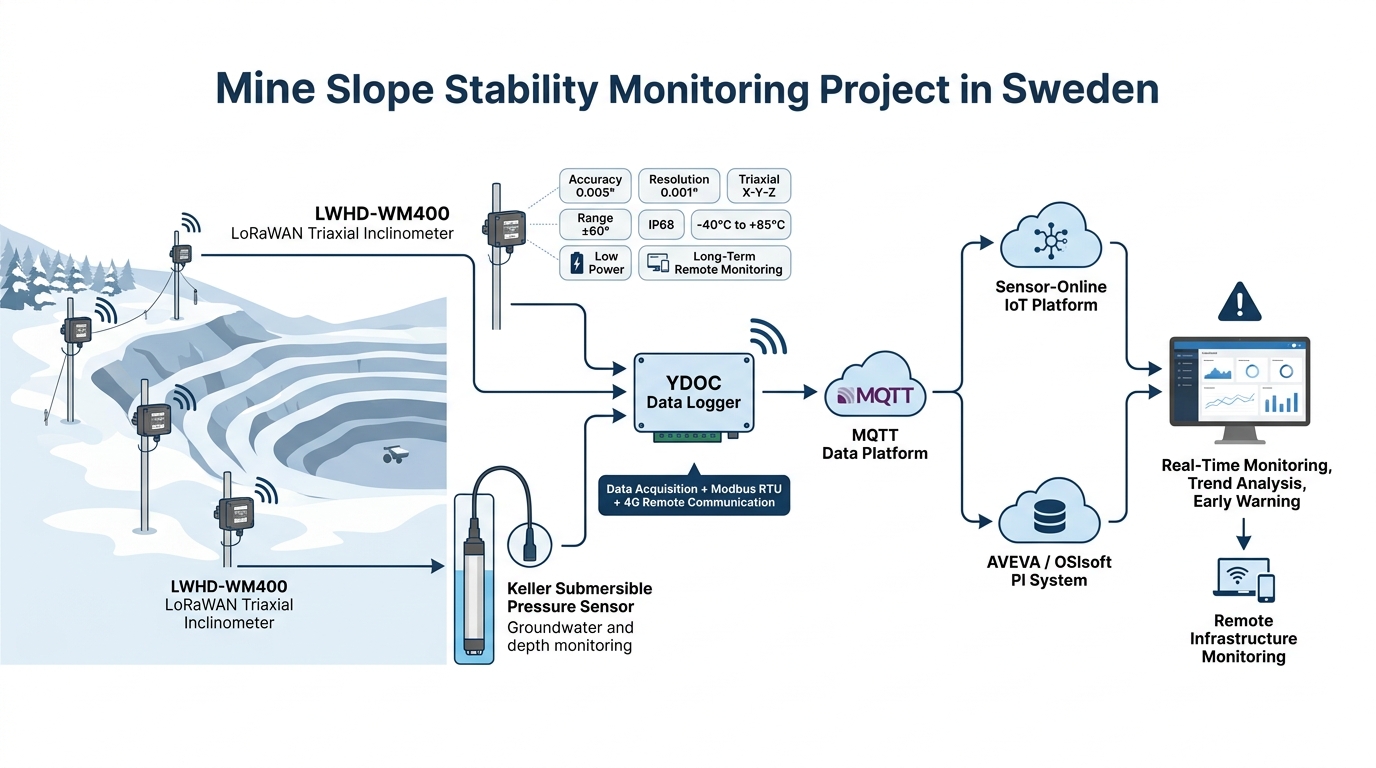
In this project, Nodeledge AB used a YDOC datalogger for data acquisition and 4G remote communication. Through the Modbus RTU protocol, data from the tilt sensors and other field devices was transmitted to Boliden’s MQTT platform. The monitoring system also integrated Keller submersible pressure sensors to measure pipe depth and temperature, making it possible to analyze slope behavior together with groundwater and fluid-related conditions.
All monitoring data was then connected to the Sensor-Online IoT platform and further aggregated into the AVEVA / OSIsoft PI System. This architecture allowed the customer to centralize multiple data sources, visualize trends, and support faster operational decision-making based on real-time monitoring data.
How the Product Solved the Customer’s Problem
For the customer, the value of the LWHD-WM400 was not only that it measured tilt, but that it delivered high-quality, trustworthy tilt data over time. In slope monitoring, accuracy alone is not enough unless it is supported by stability, durability, and practical deployment advantages. The product addressed the customer’s core pain points in several ways.
First, its high precision helped detect subtle slope movement earlier. This gave the monitoring team a better chance to identify abnormal trends before visible damage or rapid deformation occurred.
Second, its wireless LoRaWAN architecture reduced installation complexity, which is especially valuable in mining areas, tunnels, and remote infrastructure where cabling is costly and time-consuming.
Third, its low-power design supported long-term unattended deployment, reducing maintenance frequency and lowering lifecycle cost.
Fourth, its IP68 rugged structure and wide temperature tolerance supported dependable operation in snow, moisture, and severe outdoor conditions.
Finally, its local data storage capability helped protect data continuity, which is essential for long-term trend analysis and safety decision support.
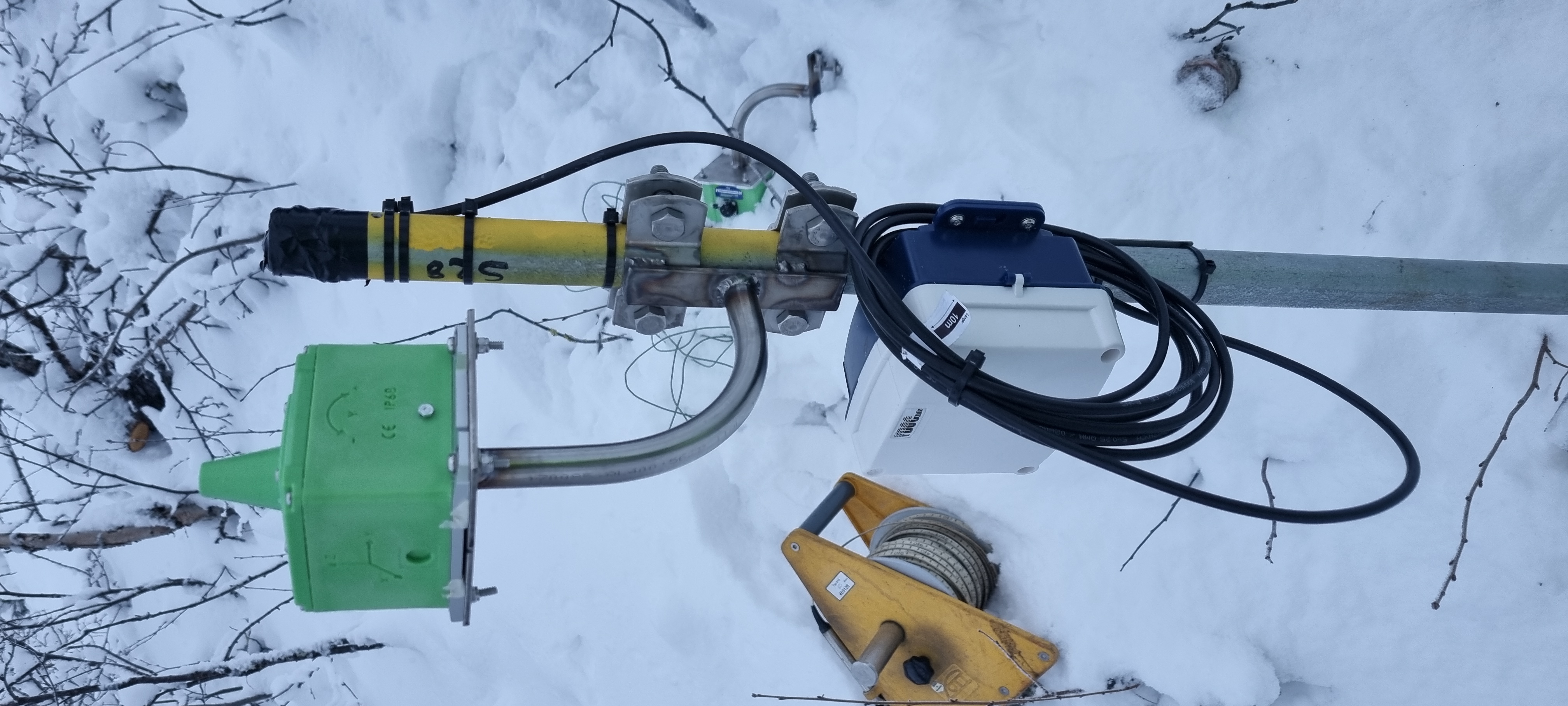
Integrated monitoring station combining tilt sensing and remote data transmission.
Customer Benefits
Through this project and other long-term collaborations with Nodeledge AB, BEWIS Sensing has demonstrated that its inclination monitoring solutions can support demanding structural and mine safety applications across Europe. The LWHD-WM400 helped the customer achieve reliable real-time monitoring, stable long-term performance, reduced field maintenance, and stronger early warning capability.
Beyond slope stability monitoring, the same product family has also been applied in tunnel monitoring, railway infrastructure monitoring, foundation pit monitoring, and other structural health monitoring scenarios. This makes it a practical solution for customers who need a single high-precision sensor platform for a wide range of safety-critical applications.
Conclusion
The Boliden Laisvall mine project is a strong example of how high-precision wireless tilt sensing can improve slope monitoring performance in harsh environments. By combining 0.005° accuracy, 0.001° resolution, LoRaWAN Communication Protocol, IP68 protection, and long battery life, the BEWIS LWHD-WM400 provided Nodeledge AB with a dependable monitoring solution for long-term mine safety management.
BEWIS Sensing will continue to provide reliable inertial sensing and structural monitoring solutions for global customers in mining, infrastructure, and industrial IoT applications.
-
STAY CONNECTED




-
8:00am-7:00 pm Service Online
WhatsApp/Tel:+86 15050 672 146
+86 17606 118 008
Commercial:sales@bwsensing.com
Customer Service:support@bwsensing.com

Copyright © 2010-2026 Wuxi BEWIS Sensing Technology LLC 苏ICP备14001101号-6 Privacy Policy Cookies

 +86 189 2129 2620
+86 176 0611 8008 sales@bwsensing.com